
![[object Object]](https://cdn.sanity.io/images/6go5cl4m/production/0396747df20f3b51e91c200a7c8deaf204a3f421-1920x1080.jpg?w=1600&h=900&q=75&fm=webp)
![[object Object]](https://cdn.sanity.io/images/6go5cl4m/production/8c3f4a753430beeebea61856ef66d93b3980d073-1920x1080.jpg?w=1600&h=900&q=75&fm=webp)
![[object Object]](https://cdn.sanity.io/images/6go5cl4m/production/83344bd07865c8c9443339e6bf6014e29f140fb7-1920x1080.jpg?w=1600&h=900&q=75&fm=webp)
![[object Object]](https://cdn.sanity.io/images/6go5cl4m/production/9a869f427ef1412b048323061859f8b121aa4235-1920x1080.jpg?w=1600&h=900&q=75&fm=webp)
![[object Object]](https://cdn.sanity.io/images/6go5cl4m/production/a055687869c2518bb9c7f378e67c3e399265c19a-1920x1080.jpg?w=1600&h=900&q=75&fm=webp)
![[object Object]](https://cdn.sanity.io/images/6go5cl4m/production/41b98180e6d7fbf067c999e9c8f2938132071d3c-1920x1080.jpg?w=1600&h=900&q=75&fm=webp)
![[object Object]](https://cdn.sanity.io/images/6go5cl4m/production/c0e829a05fd45767cd6fe3cacbf4918694e2afa1-1920x1080.jpg?w=1600&h=900&q=75&fm=webp)
![[object Object]](https://cdn.sanity.io/images/6go5cl4m/production/1d7d0211061006a0ff8e9c9c0ad1b6713e73a387-1920x1080.jpg?w=1600&h=900&q=75&fm=webp)
Kamandalu Ubud
Experience the Heritage of Serenity - Bali's Most Enchanting Luxury Resort.
The Soul of Bali Awaits You
Nestled in the heart of Ubud, Kamandalu Luxury Resort isn't just a destination - it's an immersion into the soul of Bali. As you step into our sanctuary, the whispers of ancient traditions merge with the tranquility of nature. Towering banyan trees, emerald rice terraces, and the sacred Petanu River Valley embrace you, setting the stage for a journey where Balinese heritage and unparalleled luxury coexist in perfect harmony. Here, every moment is a tribute to "The Serenity of Heritage."
Discover Our Villas
Designed to capture the essence of a real-life Balinese village, Kamandalu Ubud is a five-star resort that blends local tradition with contemporary style.
Nestled in the green foothills of Ubud, the property is a boutique sanctuary featuring exclusive villa accommodations and supporting facilities.


Exclusive Offers
Enhance your escape with our curated special offers, from romantic villa packages to serene wellness retreats. Discover exceptional value without compromising on the elegance and experience of Kamandalu Ubud.


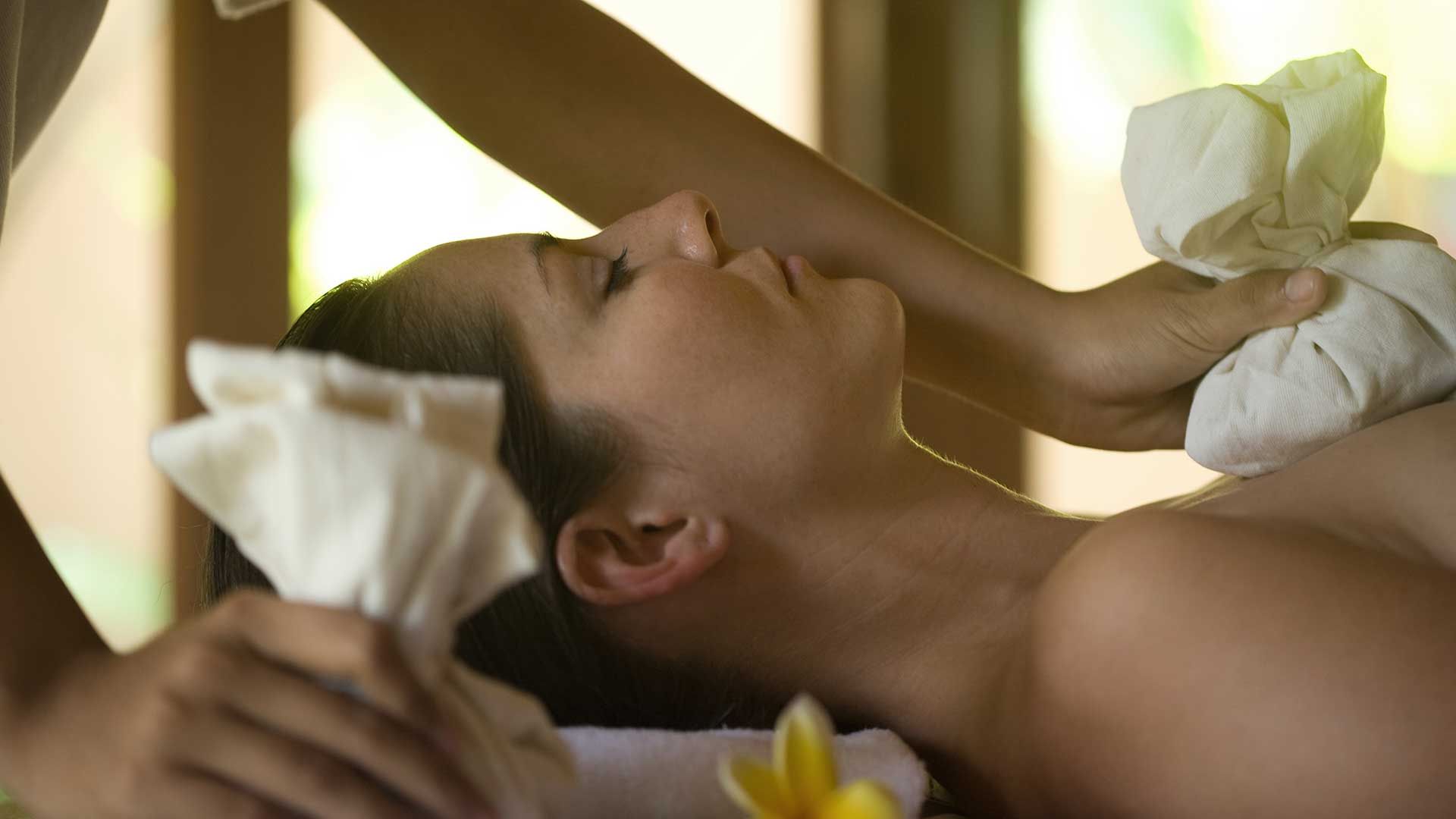
Wellness Experiences
A refreshing indulgence for body and spirit. Emerge glowingly refreshed from our secret concoctions of freshly made treatments, using locally sourced fruits selected at the peak of their ripeness and prepared on the spot in front of you for maximum freshness and vitality.


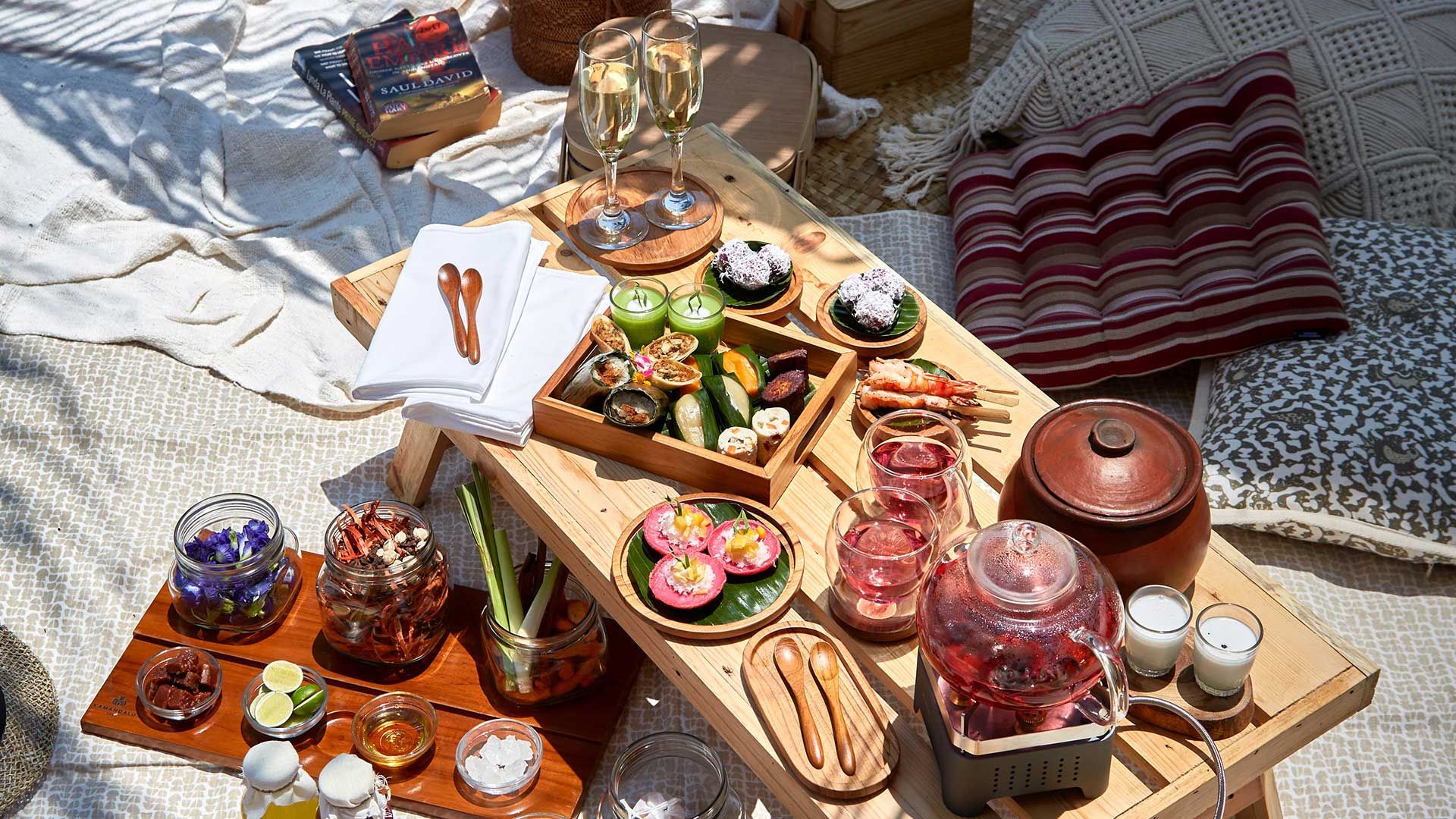
Culinary Journey
Delight in a rich tapestry of flavors with our signature dining experiences, where fresh local ingredients and timeless recipes celebrate the essence of Balinese and international cuisine.


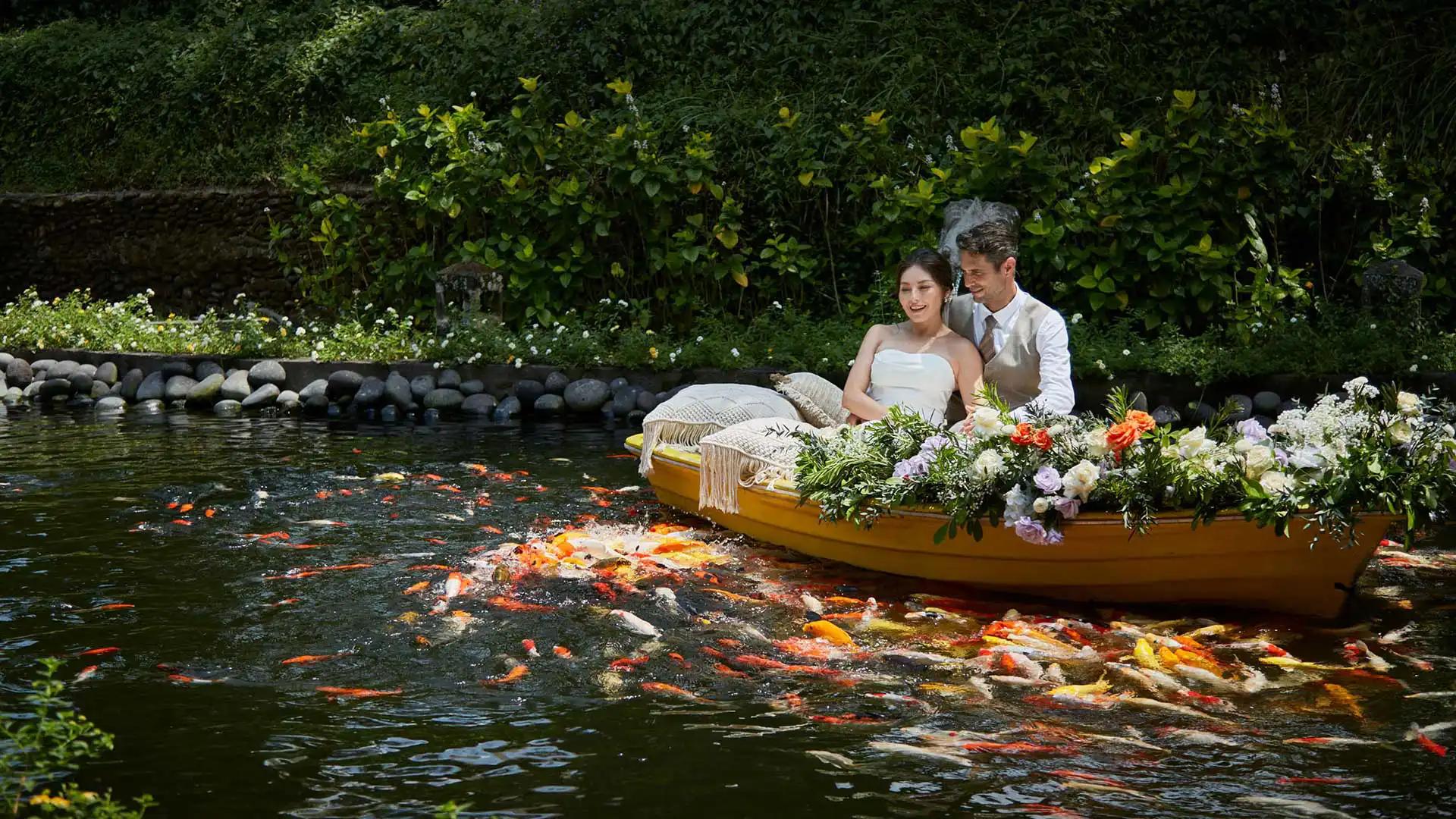
Rare Experiences
Discover extraordinary moments crafted for the curious soul — from private jungle dinners to floating breakfasts, each experience is uniquely Kamandalu and truly unforgettable.


